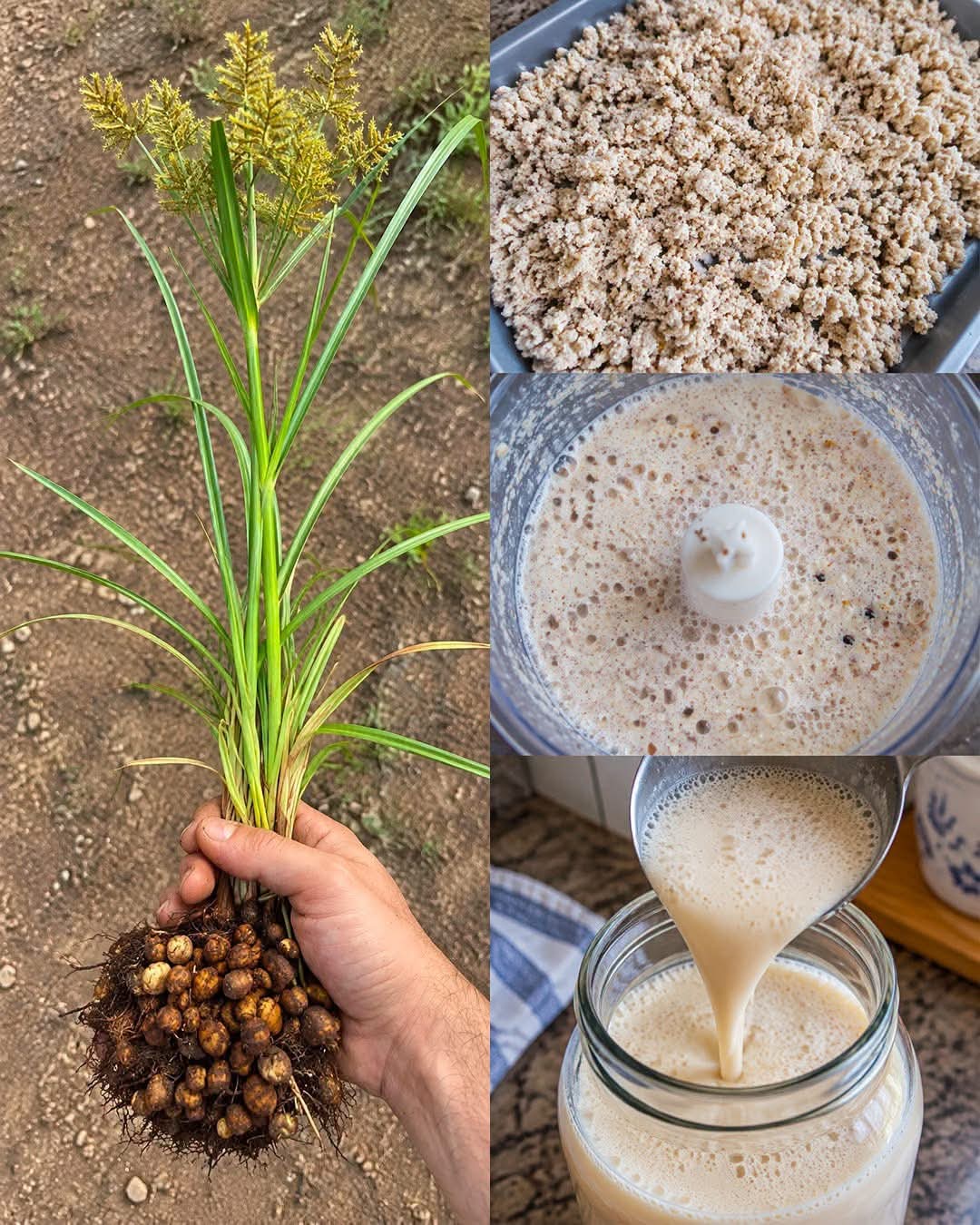
Yellow Nutsedge (Cyperus esculentus): Unlocking the Benefits and Culinary Uses for BeginnersOften dismissed as a pesky weed by gardeners, Yellow Nutsedge, also known by its more appetizing aliases like chufa, tiger nut, or earth almond, is a culinary marvel with a rich history and a burgeoning fan base. This ancient crop, cultivated for thousands of years in regions like ancient Egypt, is far more than just a nuisance; it’s a versatile, nutrient-dense tuber poised to become a staple in modern kitchens. For beginners venturing into alternative flours and plant-based eating, Yellow Nutsedge offers an exciting entry point into a world of unique flavors and impressive health benefits.What makes this often-overlooked plant so special? Beyond its historical significance, Yellow Nutsedge stands out for its exceptional nutritional profile and adaptability in various culinary applications. From its robust fiber content to its healthy fats and naturally sweet, nutty flavor, it’s a superfood that caters to a wide range of dietary needs and preferences. Whether you’re seeking gluten-free alternatives, looking to boost your fiber intake, or simply curious about exploring new plant-based ingredients, Yellow Nutsedge provides a delicious and wholesome solution.Join us as we demystify this intriguing tuber, exploring its impressive health benefits, understanding its various forms, and discovering simple, beginner-friendly ways to incorporate Yellow Nutsedge into your daily meals. Prepare to transform your perception of this humble plant and unlock its full potential as a valuable addition to your culinary repertoire. It’s time to embrace the earth almond!The Nutritional Powerhouse: Benefits of Yellow NutsedgeYellow Nutsedge isn’t just another ingredient; it’s a nutritional powerhouse packed with benefits that can significantly contribute to a healthy diet. Its unique composition makes it particularly appealing for those with specific dietary requirements or anyone looking to enhance their overall well-being.Rich in Dietary FiberOne of the most significant advantages of Yellow Nutsedge is its incredibly high fiber content. It contains both insoluble and soluble fiber, which are crucial for digestive health. Insoluble fiber adds bulk to stool, aiding in regular bowel movements and preventing constipation, while soluble fiber forms a gel-like substance in the digestive tract, which can help lower cholesterol and regulate blood sugar levels. This high fiber content also acts as a prebiotic, feeding the beneficial bacteria in your gut, thus promoting a healthy microbiome and improving overall gut health.Healthy Fats for Heart HealthYellow Nutsedge is a good source of healthy monounsaturated fatty acids, particularly oleic acid, which is the same beneficial fat found in olive oil. These healthy fats are known to support heart health by helping to reduce bad cholesterol (LDL) levels and increase good cholesterol (HDL) levels. Incorporating foods rich in monounsaturated fats can contribute to a balanced diet and reduce the risk of cardiovascular diseases.Vitamins and Minerals GaloreBeyond fiber and healthy fats, Yellow Nutsedge provides a valuable array of essential vitamins and minerals. It’s a notable source of Vitamin E, a powerful antioxidant that protects cells from damage, and Vitamin C, which supports immune function. Key minerals include magnesium, vital for muscle and nerve function, blood sugar control, and blood pressure regulation; potassium, important for maintaining fluid balance and blood pressure; phosphorus, crucial for bone health; calcium, essential for strong bones and teeth; iron, necessary for oxygen transport; and zinc, important for immune function and wound healing. These micronutrients collectively contribute to a robust and healthy body.Naturally Gluten-Free, Dairy-Free, and Nut-FreeFor individuals with dietary restrictions, Yellow Nutsedge is a true blessing. It is naturally gluten-free, making it an excellent alternative for those with celiac disease or gluten sensitivity. Furthermore, despite its “nut” in tiger nut or earth almond, it is not a true nut but a tuber, making it safe for most people with tree nut allergies. Its plant-based nature also means it’s dairy-free and vegan, suitable for a wide range of plant-based diets. This makes it an incredibly inclusive ingredient for many different dietary needs.Potential for Blood Sugar Control and SatietyThe combination of fiber, healthy fats, and protein in Yellow Nutsedge contributes to its ability to help regulate blood sugar levels, preventing sharp spikes and crashes. This makes it a beneficial food for individuals managing diabetes or looking to maintain stable energy levels. Additionally, its high fiber content promotes a feeling of fullness and satiety, which can aid in weight management by reducing overall calorie intake.From Plant to Product: Understanding Nutsedge Forms and PreparationUnderstanding the journey of Yellow Nutsedge from its natural state to a usable culinary product is key for beginners. Let’s break down the common forms you’ll encounter and how they relate to the images provided.Visual Aid ExplanationImage 1 (Top Left): The Live Plant (Yellow Nutsedge/Chufa plant). This image showcases the Yellow Nutsedge plant in its natural, growing state. While the actual tubers are underground and not visible, this represents where the magic begins. The tubers, or “nuts,” are the edible part, typically harvested from the root system.Image 2 (Top Right): Dried or Processed Nutsedge Tubers (or Flour/Meal). This granulated, light brown material is what you typically find after the tubers have been harvested, cleaned, dried, and then either coarsely ground or milled into a fine flour. The drying process concentrates their natural sweetness and extends their shelf life. This form is incredibly versatile, ready for snacking, baking, or blending.Image 3 (Bottom Right): Nutsedge “Milk” or Horchata. This milky, light brown liquid with some visible particles is the delicious result of blending the processed nutsedge (like that in the top right image) with water. This traditional Spanish beverage, known as Horchata de Chufa, highlights one of the most popular and refreshing uses of Yellow Nutsedge.Common Forms of Yellow NutsedgeWhole Tubers (Fresh/Dried): You can find whole nutsedge tubers either fresh (less common outside of growing regions) or, more typically, dried. Dried tubers are harder and chewier but soften significantly when soaked.Flour: Nutsedge flour is made by finely grinding dried tubers. It has a slightly sweet, earthy flavor and a fine texture, making it an excellent gluten-free alternative in baking.Milk (Horchata): As seen in the image, this is a creamy, plant-based milk made by blending soaked nutsedge tubers with water and then straining the mixture. It’s naturally sweet and refreshing.Basic Preparation for BeginnersFor beginners, the most important step for using whole dried nutsedge tubers is **soaking**. This rehydrates them, making them softer, easier to digest, and perfect for blending into milk or eating as a snack. Soaking for 12-24 hours (or even longer, changing the water) is recommended. Once soaked, they can be eaten raw, roasted for a crunchy snack, or ground into a paste or flour.Culinary Uses for Beginners: Simple Ways to Incorporate Yellow NutsedgeYellow Nutsedge’s unique flavor profile—a delightful blend of sweet, nutty, and earthy notes—makes it surprisingly versatile in the kitchen. Here are some simple ways beginners can start incorporating this superfood into their diet:Direct Consumption: Easy SnackingRaw (Soaked): Once dried tubers are thoroughly soaked (12-24 hours), they become plump and chewy, making a fantastic, healthy snack straight out of hand. They have a naturally sweet taste that satisfies cravings.Roasted: For a crunchy treat, lightly roast soaked and dried nutsedge tubers in the oven or air fryer until golden brown. You can season them with a pinch of salt or cinnamon for added flavor.Nutsedge Milk (Horchata de Chufa): A Refreshing BeverageMaking your own Horchata is one of the most popular and rewarding ways to use Yellow Nutsedge. It’s surprisingly simple!Ingredients:1 cup dried Yellow Nutsedge tubers3-4 cups filtered water (for blending)Optional: 1-2 tablespoons sweetener (maple syrup, dates, agave, or honey)Optional: 1/2 teaspoon ground cinnamon or a vanilla beanSteps:Soak: Place dried nutsedge tubers in a bowl and cover with plenty of water. Let them soak for at least 12-24 hours, or even longer (changing the water every 8-12 hours), until they are plump and soft.Rinse: Drain and thoroughly rinse the soaked tubers.Blend: Transfer the soaked nutsedge to a high-speed blender. Add 3 cups of fresh filtered water (and optional sweetener/cinnamon/vanilla). Blend on high for 2-3 minutes until completely smooth and creamy.Strain: Place a nut milk bag or several layers of cheesecloth over a large bowl or pitcher. Pour the blended mixture through the bag/cloth, squeezing firmly to extract all the liquid. Discard the pulp (or save it for other uses!).Serve: Chill the horchata in the refrigerator for at least an hour before serving. Enjoy cold!Nutsedge Flour: Gluten-Free Baking and ThickeningNutsedge flour is a fantastic gluten-free alternative that adds a unique flavor and texture to baked goods.In Baking: Use nutsedge flour to replace a portion (typically 25-50%) of wheat flour in recipes for muffins, pancakes, waffles, cookies, or even gluten-free breads. Its natural sweetness means you might be able to reduce added sugars in your recipes.As a Thickener: Its starchy quality makes it an excellent natural thickener for sauces, gravies, or soups. Whisk a small amount into liquids to achieve your desired consistency.Adding to Dishes: Boost Nutrition and FlavorGranola and Cereal: Roughly chop soaked and dried nutsedge tubers and add them to homemade granola mixes or sprinkle them over your morning cereal for an extra fiber and nutrient boost.Yogurt and Smoothies: Blend soaked nutsedge tubers directly into your morning smoothie for added creaminess, fiber, and healthy fats. Or, sprinkle chopped nutsedge over yogurt parfaits.Salads: Add a handful of chopped, soaked nutsedge tubers to salads for a surprising crunch and a sweet, earthy flavor that complements fresh greens and vegetables.Energy Bites: Combine ground nutsedge (from soaked and dried tubers) with dates, oats, and other nuts/seeds to create nutritious, no-bake energy bites.Tips for Sourcing, Storage, and SuccessTo ensure a positive experience with Yellow Nutsedge, here are some practical tips for beginners:Where to BuyHealth Food Stores: Many well-stocked health food stores or organic markets now carry dried whole nutsedge tubers or nutsedge flour in their gluten-free or superfood sections.Online Retailers: Online specialty stores are an excellent source for both whole tubers and flour, often offering competitive prices and a wider selection.Specialty Markets: Look in international or ethnic markets, particularly Spanish or Mediterranean stores, where horchata ingredients are often available.StorageDried Tubers: Store dried whole nutsedge tubers in an airtight container in a cool, dark pantry. They have a long shelf life, typically several months to a year.Nutsedge Flour: Keep nutsedge flour in an airtight container in a cool, dry place. For extended freshness, especially in humid climates, refrigeration or freezing can help prevent it from going rancid.Nutsedge Milk (Horchata): Homemade horchata should be stored in an airtight container in the refrigerator and consumed within 3-5 days. It tends to separate, so shake well before serving.Quality Selection: What to Look ForWhole Tubers: When buying dried tubers, look for ones that are plump, firm, and have a consistent color. Avoid any that appear shriveled, dusty, or have an off smell.Flour: Quality nutsedge flour should have a light, consistent color and a pleasant, subtly sweet aroma.A Note on “Weed” Perception vs. Cultivated CropIt’s important to differentiate between wild Yellow Nutsedge, which is a common agricultural weed, and the cultivated varieties grown specifically for food. While the wild plant is technically edible, it’s generally smaller, tougher, and less palatable than its cultivated counterpart. Foraging for wild nutsedge should only be done if you are absolutely certain of identification and know the area is free from pesticides or contaminants. For culinary purposes, always opt for commercially available, cultivated nutsedge products.Encourage ExperimentationDon’t be afraid to experiment! Yellow Nutsedge has a forgiving nature and its unique flavor can enhance a variety of dishes. Start with simple recipes and gradually integrate it into your favorite meals. You might be surprised at how much you love it!Conclusion: Embracing This Ancient SuperfoodYellow Nutsedge, or chufa, is a remarkable ingredient that beautifully bridges ancient culinary traditions with modern dietary needs. We’ve explored its impressive array of health benefits, from its significant fiber content and heart-healthy fats to its rich supply of vitamins and minerals, all while being naturally gluten-free, dairy-free, and nut-free. Its versatility in the kitchen, whether enjoyed as a simple snack, transformed into refreshing horchata, or used as a unique gluten-free flour, makes it an exciting addition for any beginner.By understanding its various forms and learning basic preparation techniques, you can confidently integrate this ancient superfood into your diet. Yellow Nutsedge offers a delicious and nutritious way to enhance your meals, support your digestive health, and explore new plant-based flavors. So, next time you’re looking for an ingredient that’s both wholesome and adventurous, remember the humble yet mighty earth almond.We encourage you to take the plunge and try Yellow Nutsedge. You might just discover a new favorite ingredient that not only nourishes your body but also delights your taste buds. Happy cooking, and enjoy the journey of discovering new culinary treasures!Nutritional InformationPer serving (approximate values for 1/4 cup (30g) dried tubers or flour):Calories: 140Protein: 2gCarbohydrates: 23gFat: 7gFiber: 10gSodium: 5mgIngredients1 cup dried Yellow Nutsedge tubers (chufa)3-4 cups filtered water (for blending)Optional: 1-2 tablespoons sweetener (maple syrup, dates, agave, or honey)Optional: 1/2 teaspoon ground cinnamon or a vanilla bean
Yellow Nutsedge Cyperus esculentus Benefits and Uses Explained for Beginners