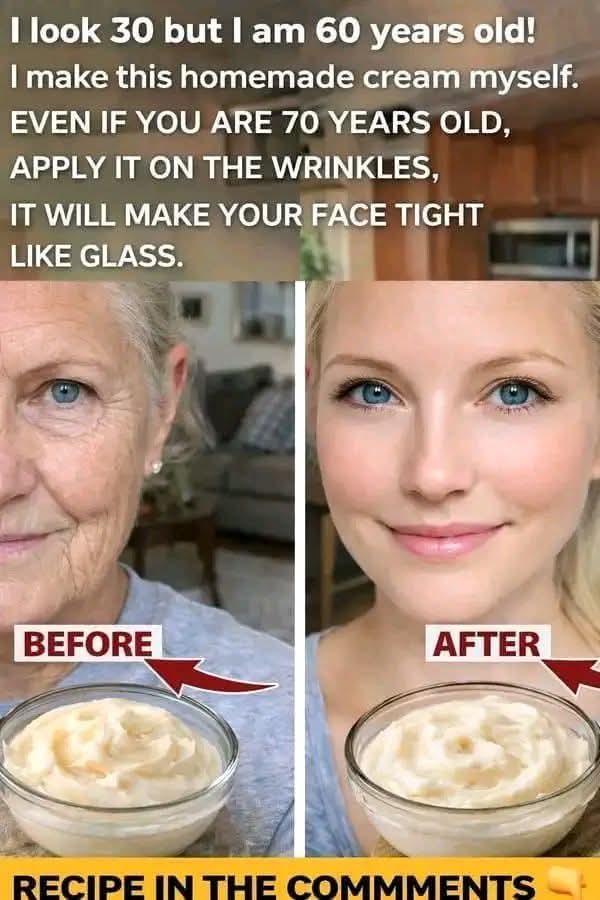
The Allure of DIY Anti-Aging: Fact or Fiction?The quest for youthful, flawless skin often leads us down many paths, from high-end serums to natural home remedies. Recently, a viral sensation involving baking soda cream for wrinkles and blemishes has captured significant attention, promising dramatic results like a “face tight like glass.” This trend, often presented with compelling before-and-after imagery, suggests that a simple, homemade concoction can defy the signs of aging and clear up skin imperfections.The idea is certainly appealing: an inexpensive, accessible ingredient potentially offering a powerful solution to common skin concerns. However, when it comes to skincare, especially for sensitive areas like the face, it’s crucial to separate fact from fiction. Understanding the properties of ingredients like baking soda and their potential effects on the skin is paramount before incorporating them into your beauty regimen.What is Baking Soda and How Does it Interact with Skin?Understanding Baking Soda (Sodium Bicarbonate)Baking soda, scientifically known as sodium bicarbonate, is a common household item primarily used in baking as a leavening agent and for cleaning due to its abrasive and deodorizing properties. In a chemical context, baking soda is an alkaline substance with a high pH level, typically around 8 to 9. For comparison, healthy skin has a slightly acidic pH, usually between 4.5 and 5.5, which is essential for maintaining its protective barrier.The Skin’s pH Balance and Barrier FunctionThe skin’s natural acidic mantle acts as a crucial barrier against bacteria, pollutants, and excessive moisture loss. This barrier is vital for skin health, preventing irritation, dryness, and susceptibility to various skin conditions. When the skin’s pH balance is disrupted by highly alkaline substances like baking soda, this protective barrier can be compromised.Potential Effects on SkinDisruption of Skin Barrier: Applying baking soda directly to the skin, especially regularly, can strip away its natural oils and disturb the acidic mantle. This can lead to increased dryness, redness, irritation, and a weakened defense against environmental aggressors.Increased Sensitivity: For individuals with sensitive skin, or conditions like rosacea or eczema, baking soda can exacerbate symptoms and cause significant discomfort.Not a Blemish Cure: While some might believe baking soda’s abrasive quality could exfoliate blemishes, its alkaline nature is more likely to irritate acne-prone skin, potentially leading to more breakouts or post-inflammatory hyperpigmentation.Lack of Anti-Aging Properties: There is no scientific evidence to suggest that baking soda possesses properties that can tighten skin, reduce wrinkles, or stimulate collagen production. The sensation of “tightness” after applying an alkaline substance might be due to extreme dryness, not actual skin rejuvenation.Addressing Wrinkles and Blemishes Safely and EffectivelyFor genuine concerns about wrinkles and blemishes, a more evidence-based approach is recommended. Consulting with a dermatologist is always the best first step to develop a personalized skincare plan.Professional and Scientifically-Backed Solutions for Wrinkles:Retinoids: Derivatives of Vitamin A, such as retinol and tretinoin, are scientifically proven to reduce fine lines and wrinkles by promoting cell turnover and stimulating collagen production.Antioxidants: Ingredients like Vitamin C, Vitamin E, and ferulic acid help protect the skin from environmental damage and can improve skin tone and texture.Hyaluronic Acid: A powerful humectant that draws moisture into the skin, plumping it up and temporarily reducing the appearance of fine lines.Peptides: These amino acid chains can signal the skin to produce more collagen, improving firmness and elasticity.Sun Protection: Daily use of broad-spectrum sunscreen is the most effective anti-aging strategy, preventing UV damage that leads to wrinkles and sunspots.Effective Treatments for Blemishes:Salicylic Acid: A beta-hydroxy acid (BHA) that exfoliates inside the pore, helping to clear blackheads and whiteheads.Benzoyl Peroxide: An ingredient that kills acne-causing bacteria and helps shed dead skin cells.Topical Antibiotics: Prescribed by dermatologists for inflammatory acne.Gentle Cleansing: Over-washing or harsh scrubbing can irritate acne. Use a mild cleanser twice daily.Non-Comedogenic Products: Choose makeup and skincare products that won’t clog pores.The Importance of Professional GuidanceWhile the appeal of quick fixes and homemade remedies is understandable, especially when facing persistent skin issues, it’s essential to prioritize the health and integrity of your skin. Misinformation about skincare can lead to adverse reactions, prolonged skin problems, and even damage that requires professional intervention to correct.A dermatologist can accurately diagnose skin conditions, recommend appropriate treatments, and guide you towards products and practices that are safe and effective for your specific skin type and concerns. They can also differentiate between genuine anti-aging solutions and viral trends that lack scientific merit.Frequently Asked Questions About Skincare MythsQ1: Can baking soda really make my skin “tight like glass”?No, there is no scientific basis for this claim. Any perceived tightness is likely due to extreme dryness or irritation caused by baking soda’s high pH disrupting the skin’s natural barrier, rather than actual wrinkle reduction or skin rejuvenation.Q2: Are there any safe DIY remedies for wrinkles or blemishes?Some natural ingredients, like honey for its antibacterial properties or aloe vera for soothing, can be beneficial for skin when used appropriately. However, for significant concerns like deep wrinkles or persistent blemishes, professional treatments and scientifically-backed ingredients are far more effective and safer than unproven DIY hacks.Q3: How can I tell if a skincare claim is legitimate?Look for scientific evidence, dermatological endorsements, and reputable sources. Be wary of claims that sound too good to be true, promise instant or miraculous results, or rely solely on anecdotal evidence without scientific backing. Always check the ingredients and their known effects on skin.Q4: What’s the biggest mistake people make with homemade skincare?The biggest mistake is applying ingredients that are too harsh, too acidic, or too alkaline for the skin, or using ingredients in concentrations that are unsafe. This can damage the skin’s protective barrier, leading to irritation, sensitivity, and worsening of existing conditions.Final ThoughtsWhile the meme featuring a “homemade cream” and dramatic before-and-after photos is compelling, the science behind using baking soda for anti-aging and blemish control does not support these claims. Instead, it suggests potential harm to the skin’s delicate balance. For effective and safe skincare, especially concerning wrinkles and blemishes, rely on evidence-based practices and professional advice. Your skin deserves care that is both gentle and genuinely beneficial.
Unpacking the Claims: Baking Soda Creams for Wrinkles and Blemishes